


 علب
علب علب تقفيل أدوية لسانين
 علب تقفيل كعب
 علبة تقفيل ذاتي
 استيكرات
 استيكر دائرى
 كروت شخصية
 روشتات
 فولدرات
 أظرف
أظرف شنط دعائية
 ورق مراسلات
 عرض جميع المنتجات
What Live Casino Three Card Poker Looks Like for Australian Players

For Australians weighing up live casino three card poker, the screen in front of you matters more than any glossy promo. Dealer interaction, chip placement, and side-bet toggles all happen in real time, so the interface either pulls you into the hand or pushes you out of it. A quick look at joefortunefreechip.com shows how operators package these lobbies to local punters, and the rest of this article is a closer look at how those design choices hold up under ordinary Australian conditions.
Desktop vs Mobile Layout at a Live Casino Three Card Poker Table
The split-screen layout that dominates most live casino three card poker tables gives the dealer feed around two-thirds of the viewport, with the betting grid tucked underneath. On a 27-inch monitor at home, that ratio reads cleanly and chip denominations stay legible. On a phone held one-handed between Broadmeadow and the harbour, the design has to work much harder. The better lobbies scale the video stream and the chip rack independently, so a $1 chip on a $500 maximum table still lands precisely where your thumb taps after you have just ordered a flat white at a Hunter Street cafe. The slicker builds also remember your last stake, which matters when the on-screen clock gives you roughly eight seconds to choose between fold and play. In my experience auditing live dealer products before they ship, the chip-recall function ranks above dealer friendliness when judging whether returning players actually stick around. Too many lobbies force a fresh chip selection every hand, which kills momentum on smaller screens where each tap eats into the decision window.
Chips, Currency and Limits at a Glance
Localising live casino three card poker for Australia goes deeper than changing the dollar sign. It means rendering menus in plain English, listing side bets in the currency you deposited, and showing table minimums and maximums before you click into a seat. Operators that handle this well default to AUD on the cashier page and avoid forcing a mental conversion when you flick between live games and slots in the same lobby. Filter labels on the sidebar should match those tiers, so a tap on Standard jumps you straight to the $5 to $500 tables without scrolling past high-roller seats. The best lobbies also display the side-bet paytable inline rather than burying it in a separate help menu, which keeps the action moving.
| Stake tier | Min bet | Max bet | Pair Plus | 6 Card Bonus |
|---|---|---|---|---|
| Mini | $1 | $100 | Yes | Yes |
| Standard | $5 | $500 | Yes | Yes |
| High stakes | $25 | $2,500 | Yes | Yes |
The table above shows how the same game stretches across budgets without losing side-bet availability. These ranges hold whether you play the standard ante-play format or the layered variants with progressive side pots, so the choice is mostly about how much variance per hand you want to absorb. Newer players often do better at the $5 tier, where ten hands still leave enough room to learn when to fold marginal queens.
Three Player Scenarios and How the Interface Serves Them
A live lobby rarely treats every player the same way, so the test is whether the interface bends to fit common Aussie scenarios. The after-work commuter from Broadmeadow needs a vertical layout that keeps the dealer feed large without pushing the betting grid below the fold, plus a one-tap rebet so the next hand lands as the carriage sways. The strategy-minded regular wants a hand-history panel and a last-50-results readout; without them the interface feels more like a stripped-back arcade game than a card room, and those players quietly drift toward the mega jackpot slots the same operator runs alongside.
The third scenario is the newcomer who wants a quick hand without committing real cash. A clearly marked low-stakes table, one-glance rules overlay, and dealer chat free of regional slang are essential. Those who enjoy the quick-hit thrill of novelty markets elsewhere – the kind that let you bet on the length of the national anthem at the Super Bowl, for instance – gravitate toward 6 Card Bonus, since it delivers a same-hand verdict without a longer strategy commitment. Hide those side bets in a separate menu and that audience drifts away.
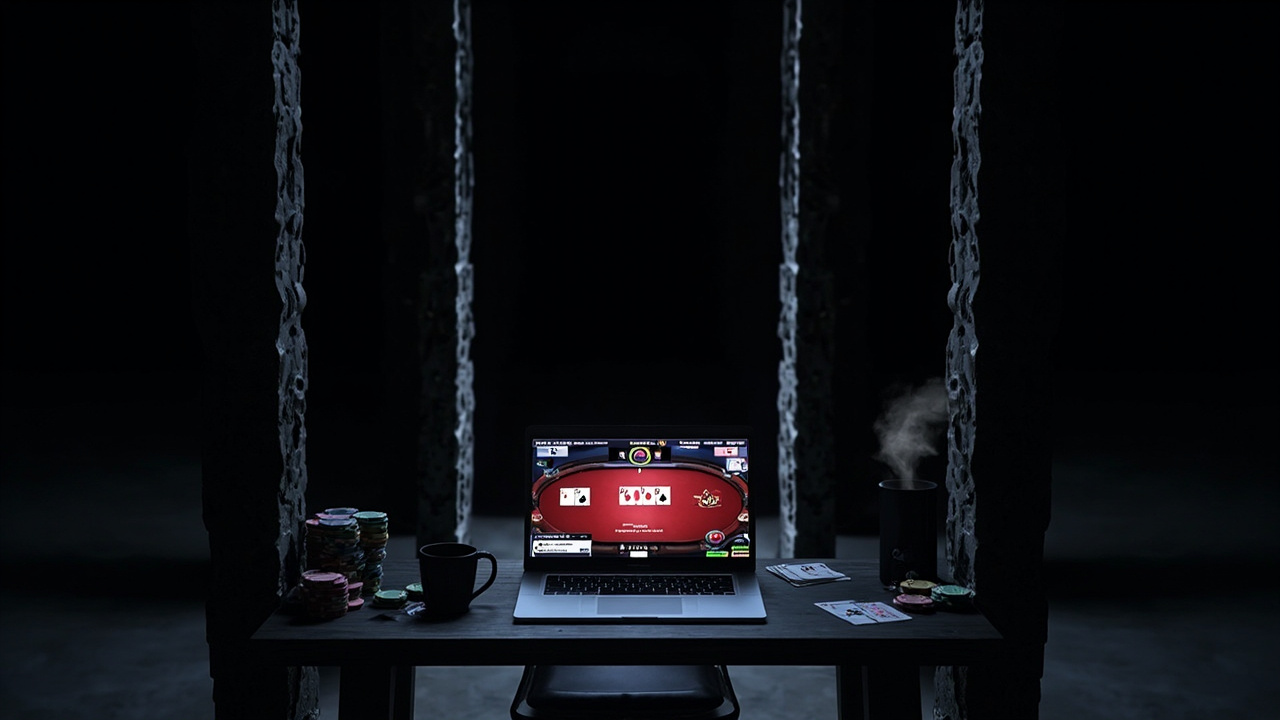
Search, Filters, and Finding Your Favourite Variant
A live casino lobby with weak search is like a Hunter Street cafe with no menu on the window. From auditing these products, I look for three behaviours that signal the team actually tested the lobby on a phone. First, the search bar must accept partial provider names, so typing Evo lands Evolution’s three card poker rooms before the slots alphabet. Second, the filter rail should on the company platform let you stack conditions – such as $5 to $500 stakes plus live dealer plus English-speaking hosts – and return results that respect those selections on the first page. Third, a recently played strip keeps your last three tables one tap away.
The rail should surface a separate category for table games, since live three card poker sits closer to blackjack than to a wheel-based title. Good operators include a thumbnail preview that runs the dealer feed for a few seconds in the search results, so you can tell a busy table from a quiet one without clicking in. If the lobby fails on these, even the most polished blackjack rooms cannot rescue the search experience, and players simply close the tab.
For Australians playing live casino three card poker, the right lobby respects phone battery, data plan, and time. Compare layouts on a real device, not a desktop preview, and check that AUD flows through every menu without conversion. The interface should fade into the background so the cards stay the focus, and a quick pass through search, stakes, and side-bet menus should reveal whether the team built it for players or for screenshots.